
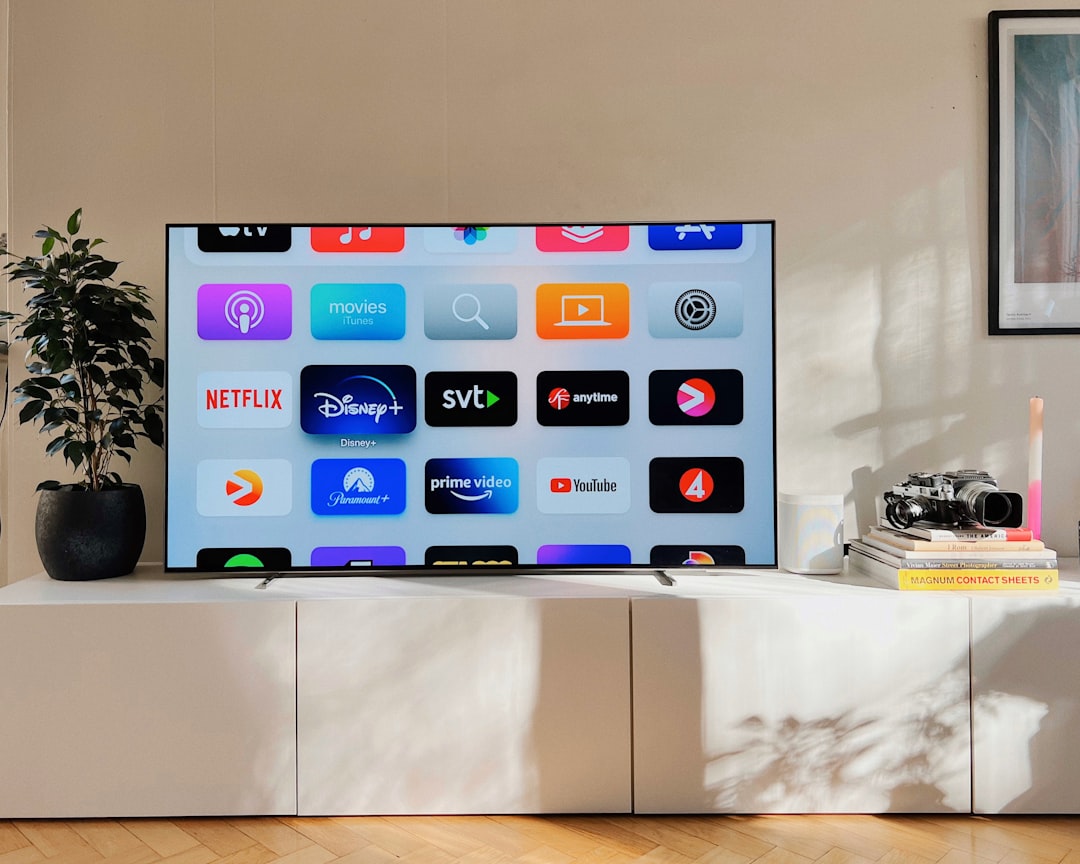
Television in France is changing quickly, and IPTV is at the center of that shift. For years, viewers relied on traditional terrestrial channels, cable packages, or satellite subscriptions to access entertainment, sports, news, and international content. Today, internet-based television has opened the door to a more flexible and personalised viewing experience. As broadband infrastructure improves and streaming habits become more deeply embedded in everyday life, IPTV is no longer a niche alternative. It is becoming a mainstream way for French households to consume media, reflecting broader changes in technology, consumer expectations, and digital culture.
Why IPTV Is Expanding Rapidly in France
The growth of IPTV in France is driven by several factors that align perfectly with modern viewing habits. First, internet connectivity has become faster and more reliable across much of the country. Fibre deployment and improved home broadband performance have made it easier for users to stream high-definition and even 4K content without the interruptions that once discouraged internet-based TV services.
Second, audiences increasingly want convenience. Traditional broadcasting follows fixed schedules, but IPTV gives viewers more control over what they watch and when they watch it. This flexibility matters in a world where people expect entertainment to fit around their routines rather than the other way around. Families, professionals, and younger viewers in particular tend to prefer on-demand access, replay features, and multi-device compatibility.
Another major reason for IPTV growth is content variety. French audiences are no longer satisfied with a limited selection of channels. They want local programming, international films, sports, children’s entertainment, documentaries, and premium series in one place. IPTV platforms answer that demand by offering broader catalogues and easier navigation than many traditional solutions. In a competitive market, services that combine accessibility, value, and choice naturally attract attention.
How IPTV Is Redefining the Viewing Experience
What makes IPTV so disruptive is not simply that it delivers television through the internet. It changes the relationship between viewers and content. Instead of passively following a linear schedule, users can build a personalised entertainment environment. They can move from live TV to catch-up programming, from sports coverage to films, and from one device to another with minimal friction.
This shift is especially significant in France, where television remains culturally important. News, live events, football, cinema, and general entertainment continue to attract large audiences, but the format through which they are consumed is evolving. A service such as Abonnement IPTV fr reflects how consumers are looking for more adaptable and streamlined ways to access content that suits their preferences.
IPTV also supports a lifestyle defined by mobility. Viewers are no longer tied to the living room screen. They can start a programme on a smart TV, continue it on a tablet, and check live updates on a smartphone. This seamless behaviour mirrors the broader digital habits of French consumers, who already manage shopping, communication, and entertainment through connected devices.
- Greater flexibility: viewers can access content on their own schedule.
- Device freedom: IPTV works across smart TVs, boxes, phones, tablets, and laptops.
- Broader content access: users can often explore local and international channels in one interface.
- Enhanced value: many consumers see IPTV as a cost-effective alternative to rigid legacy packages.
As a result, IPTV is redefining television from a fixed service into a user-led digital experience.
The French Market: Consumer Expectations and Competitive Pressure
The French media landscape has always been competitive, with strong public broadcasters, private networks, telecom providers, and global streaming brands all competing for attention. IPTV enters this environment not as a replacement for all existing models, but as a format that reshapes expectations across the entire market. Once viewers get used to convenience, intuitive interfaces, replay features, and wide content libraries, they expect every provider to offer a similar standard.
This creates pressure on broadcasters and service providers to innovate. Better apps, improved search tools, customised recommendations, and integrated live-plus-on-demand experiences are becoming essential rather than optional. In many ways, IPTV has pushed television providers in France to think more like digital platforms and less like traditional broadcasters.
Price sensitivity also plays a role. French consumers often compare entertainment options carefully, especially as subscription fatigue becomes more common. IPTV appeals to many households because it can offer a strong balance between content range and affordability. At the same time, users are increasingly attentive to service stability, image quality, and support. The market is maturing, and that means people are looking beyond simple access. They want reliability, usability, and long-term value.
There is also a generational component to this growth. Younger audiences are naturally comfortable with app-based media ecosystems, while older users are gradually embracing connected television as interfaces become simpler and more familiar. This broad demographic appeal helps explain why IPTV in France is not a temporary trend but a structural evolution in media consumption.
Challenges, Regulation, and the Future of IPTV in France
Despite its momentum, IPTV growth in France comes with important challenges. The first is regulation and legitimacy. As demand rises, consumers need to distinguish between lawful, dependable providers and unreliable services that may not respect content rights or quality standards. Trust is becoming a decisive factor in the market, especially as users become more aware of legal and technical risks associated with poorly managed platforms.
Another challenge is network dependency. IPTV performs best when households have stable and fast internet connections. Although infrastructure has improved substantially, variations in broadband quality can still affect user experience in some areas. Buffering, latency, and reduced picture quality remain concerns when connectivity is inconsistent.
Even so, the long-term outlook is highly positive. Several trends support continued growth:
- Ongoing fibre expansion will improve streaming quality nationwide.
- Smarter interfaces will make content discovery faster and more personalised.
- Growing demand for international content will strengthen the appeal of flexible IPTV offers.
- Hybrid viewing habits will continue to blend live TV, replay, and on-demand streaming.
Looking ahead, IPTV is likely to become an even more central part of the French entertainment ecosystem. Rather than existing at the edge of television, it is moving toward the core of how audiences define television itself.
IPTV growth in France shows that viewers want more than channels: they want freedom, relevance, and control. As digital infrastructure improves and expectations continue to evolve, internet-based television is redefining not only how content is delivered, but how it is experienced. For French households, IPTV represents a practical and modern response to changing media habits, and its influence will only become stronger in the years ahead.
Leave A Comment