From Brussels to Bruges: The Growing Popularity of IPTV in Belgium
Belgium may be one of Europe's smaller countries, but its television needs are unusually varied. A household in Brussels might want Francophone news, Flemish drama and a channel from a grandparent's home…
2 min
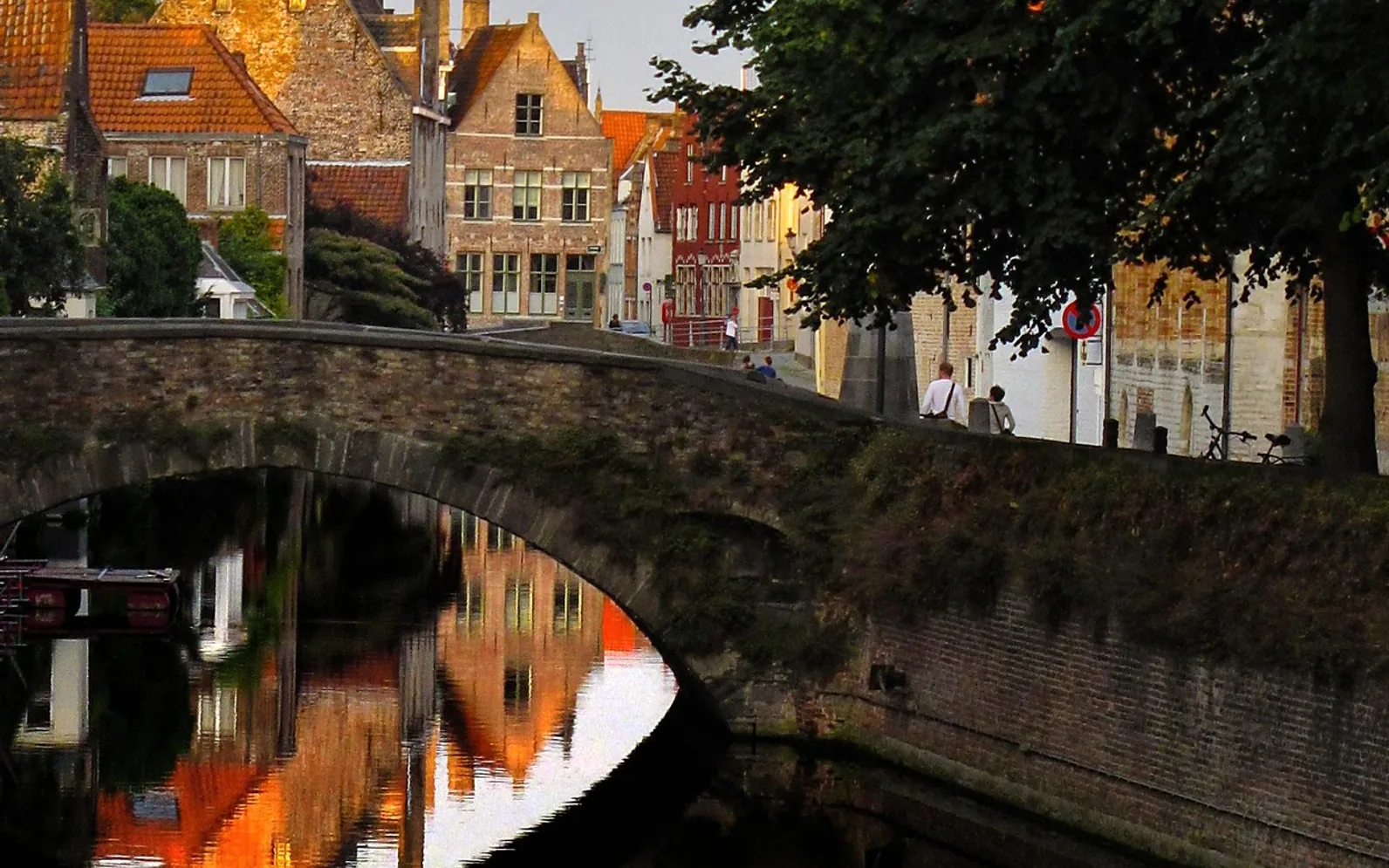
Belgium may be one of Europe's smaller countries, but its television needs are unusually varied. A household in Brussels might want Francophone news, Flemish drama and a channel from a grandparent's home country, all under one roof. That mix goes a long way towards explaining why streamed television has won over households from the capital to the canals of Bruges.
Three languages, one remote
With Dutch, French and German-speaking communities, plus a large international population around the EU institutions, Belgian homes rarely agree on a single set of channels. Internet television handles this neatly. Packages can combine regional broadcasters with foreign ones, menus can switch language and subtitle options are often more flexible than on older systems. For bilingual families, being able to give each member their own profile and language settings is a practical relief.
City flats and historic houses
In Brussels, many residents live in apartments where installing a satellite dish is impractical or not allowed. A broadband connection and an app solve that problem without drilling into a facade. In Bruges and other historic towns, protected streetscapes create similar limits. Internet-based services sidestep the hardware question and work through equipment people already own.
Providers such as IPTV Belgie have grown by offering this kind of straightforward setup, with live channels and on-demand programmes reachable on the main screen, a tablet or a smartphone wherever the household happens to be in the country.
Sport as a driving force
Belgians follow sport closely: the Pro League, the national football team, classic cycling races through Flanders and the Ardennes, and the Spa Grand Prix all draw big audiences. Watching on more than one screen, replaying key moments and following a race while away from home are features that fit these habits well. For many households, sport is the reason they first try an internet-based package.
A checklist for Belgian viewers
- Language coverage: does the package include the regional and international channels the household actually watches?
- Connection quality: a stable line and good Wi-Fi coverage in the living room matter more than headline speed.
- Device support: check the smart TV brand, streaming sticks and mobile apps.
- Contract terms: monthly flexibility suits students and expats who may move.
- Licensing: favour a service that is officially authorised for the Belgian market.
Where the market is heading
Traditional operators already deliver much of their own television over IP networks, and the distinction between them and newer services is narrowing. Viewers increasingly compare offers on how easy they are to use, how well they handle several languages and how reliably they carry big live events. As fibre continues to spread and smart TVs become standard, internet television in Belgium looks set to move from an alternative to the ordinary way of watching.
Desk habits
Small routines that save time later
Picked up while writing the notes on this site.
Photograph the meter
A dated photo settles most arguments about estimated readings.
Name files by date
Year, month, day at the start of a filename keeps invoices and letters in order.
Sketch before you measure
A rough floor plan stops you missing an alcove or counting a strip twice.
Update the router
Check for firmware updates whenever you change your Wi-Fi password.
Put terms in writing
A short email confirming price and due date beats any verbal promise.