The Competitive Edge of AI Virtual Staging Software in Today's Real Estate Market
Vacant rooms rarely flatter a listing. Plain plaster feels chilly, proportions are hard to judge, and a house-hunter flicking through photos on a commute finds it difficult to imagine a sofa, a…
2 min
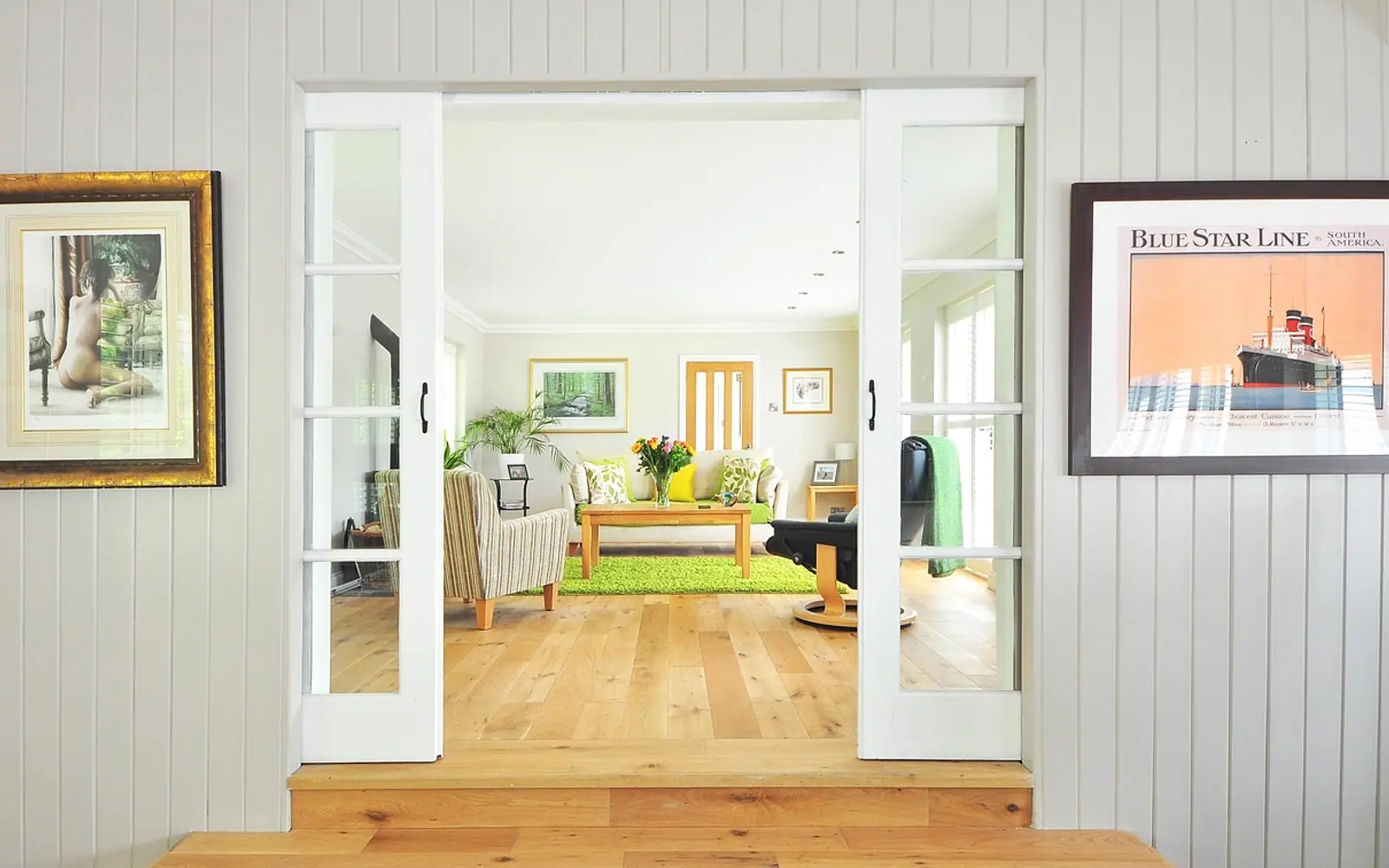
Vacant rooms rarely flatter a listing. Plain plaster feels chilly, proportions are hard to judge, and a house-hunter flicking through photos on a commute finds it difficult to imagine a sofa, a dining table or a child's bedroom in the space. Physical staging fixes that, but it involves hiring furniture, booking movers and waiting for a free slot. AI virtual staging offers a faster route to the same goal: helping people imagine living there.
How the software works
The agent uploads a photo of an empty or cluttered room. The software identifies walls, floors and windows, then places furniture and décor in a chosen style, whether Scandinavian, industrial, classic or family-friendly. Some tools can also remove existing clutter or old furniture first. A finished image is usually ready within minutes, and several style variations can be generated for the same room.
Feature sets differ from tool to tool. Many concentrate on furniture placement in still photos, while some even integrates with 3D tours and AR features for Better Immersion, so buyers can move through a furnished space on screen rather than viewing a single angle.
Where agents gain an advantage
Speed to market
A listing can go live with polished images the same day the photographer visits, instead of waiting for furniture deliveries. Early momentum often matters, because new listings attract the most attention in their first days online.
Lower cost per property
Virtual staging is typically far cheaper than renting and moving real furniture, which makes it practical for mid-range homes and rentals, not just premium properties.
Targeted presentation
The same spare room can be shown as a home office for remote workers or as a nursery for young families. Agents can tailor images to the buyers a property is most likely to attract.
Help with awkward spaces
Odd-shaped rooms, loft conversions and open-plan areas are easier to understand when furniture shows how they might be used.
Keeping it honest
Virtual staging works best when buyers can trust what they see. Good practice includes:
- labelling staged images clearly as virtually furnished
- keeping an unstaged version of each photo in the listing
- never hiding defects such as damp patches, cracks or damaged flooring
- keeping room proportions realistic, without oversized or undersized furniture
Rules on property advertising vary by country, so agents should check what local regulations and industry codes require. A viewing that matches the photos builds credibility; a mismatch can cost a sale and a reputation.
Choosing a tool
Compare output quality on your own photos rather than the vendor's showcase images. Check how many styles are available, whether revisions are included, how pricing works for volume, and whether the results export cleanly to the portals you use. Used thoughtfully, AI staging becomes another practical part of the listing kit: quick, affordable and effective at turning vacant rooms into places buyers can picture as home.
Desk habits
Small routines that save time later
Picked up while writing the notes on this site.
Photograph the meter
A dated photo settles most arguments about estimated readings.
Name files by date
Year, month, day at the start of a filename keeps invoices and letters in order.
Sketch before you measure
A rough floor plan stops you missing an alcove or counting a strip twice.
Update the router
Check for firmware updates whenever you change your Wi-Fi password.
Put terms in writing
A short email confirming price and due date beats any verbal promise.