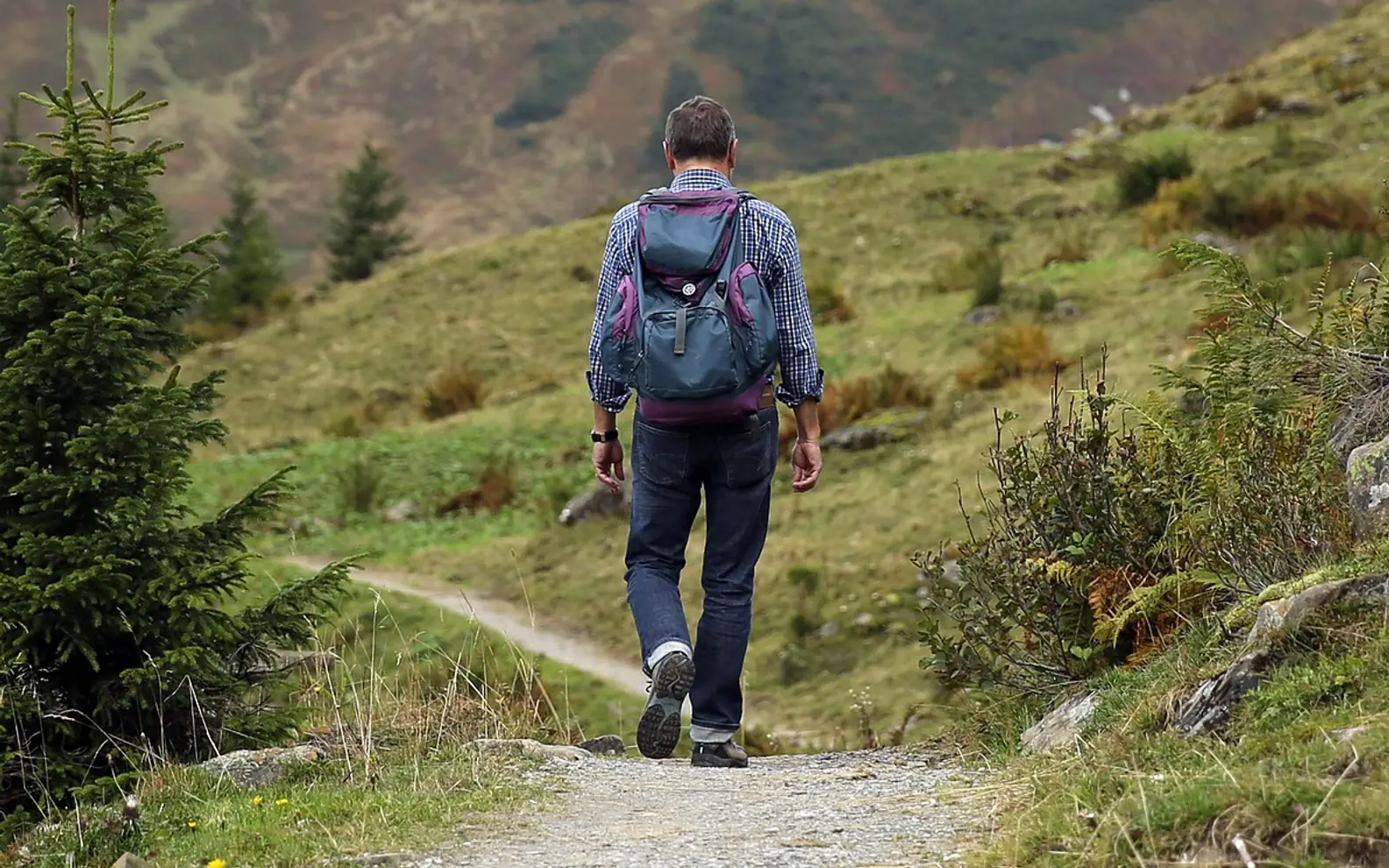
Travelling alone has an unusual quality: every decision is yours. You can spend three hours in a small museum, skip the famous viewpoint, or change cities on a whim. The flip side is that there is nobody to split a taxi with or to ask whether that side street looks right. The most rewarding solo trips usually balance that independence with a few good habits and some deliberate ways of meeting people.
Plan loosely, but book the first night
A rigid day-by-day itinerary removes much of the pleasure of going alone. A rough outline, with a list of things you would like to see and some flexible days, leaves space for recommendations picked up along the way. The exception is arrival: booking the first night or two in a well-reviewed place in a central area means you land with somewhere to go, even if the flight is late. After that, you can look for better deals or more interesting neighbourhoods with a clear head.
Safety habits that become second nature
- Leave your rough route and where you are staying with a trusted person, and send a quick update every day or two.
- Keep a copy of your passport and important numbers both on your phone and on paper.
- Carry only the cash you need for the day and split cards between bag and pocket.
- Read up on common tricks aimed at tourists in the places you are visiting.
- Trust your instincts; leaving a situation that feels wrong needs no justification.
Keeping the budget under control
Single travellers often pay more for rooms, since there is nobody to share with. Hostels with private rooms, guesthouses and longer stays in one place can soften that. Eating where locals eat, using public transport passes and visiting free sights on certain days all help. Keeping a simple note of daily spending on your phone makes it easier to notice when a few small treats are quietly adding up.
Finding people along the way
Being alone rarely means being lonely for long. Walking tours, cooking classes, language exchanges and shared tables in cafés make conversation easy. Hostels and guesthouses often post notices about group outings, and volunteering for a day can lead to friendships that last well beyond the trip.
Technology helps, too. An App for solo travelers can connect visitors with local guides and fellow travellers who share similar interests, turning a quiet evening into a food tour or a walk through a neighbourhood that is not in any guidebook. Meeting someone who knows the area adds a layer of insight that is hard to find alone.
When arranging to meet anyone new, choose public places for the first meeting, let someone know where you are going and keep your own transport options open. These small precautions sit comfortably alongside a spirit of openness.
Making time to reflect
One of the quiet gifts of solo travel is time to think. Keeping a short journal, taking photos with a purpose rather than by reflex, or simply sitting in a square for an hour can turn a trip into something you remember in detail years later. Going alone is not about avoiding company; it is about choosing it, on your own terms.
Desk habits
Small routines that save time later
Picked up while writing the notes on this site.
Photograph the meter
A dated photo settles most arguments about estimated readings.
Name files by date
Year, month, day at the start of a filename keeps invoices and letters in order.
Sketch before you measure
A rough floor plan stops you missing an alcove or counting a strip twice.
Update the router
Check for firmware updates whenever you change your Wi-Fi password.
Put terms in writing
A short email confirming price and due date beats any verbal promise.