
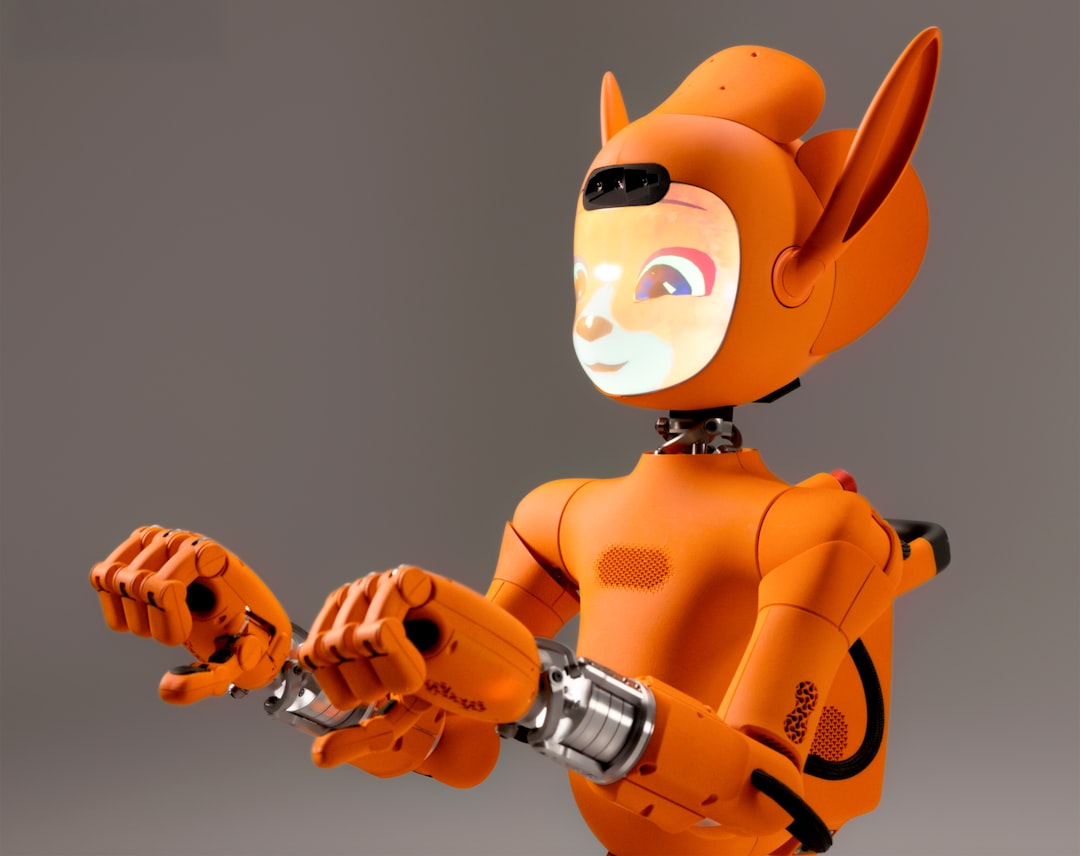
Artificial intelligence is no longer limited to answering commands, sorting data, or automating routine tasks. It is increasingly moving into a far more human space: relationships. What began as simple chatbots with scripted responses has evolved into adaptive, emotionally aware systems designed to hold conversations, remember preferences, and offer a sense of continuity over time. As these systems become more sophisticated, AI companions are changing how people think about communication, support, and connection. Their rise is not just a technology story; it is a cultural shift that reveals how digital experiences are becoming more personal, more responsive, and more deeply woven into everyday life.
From Task-Oriented Bots to Relational Intelligence
The earliest consumer-facing AI assistants were built around utility. They could set reminders, answer basic questions, and perform narrow tasks, but they rarely felt personal. Interaction was transactional: users asked, systems responded, and the exchange ended. There was little sense of memory, emotional context, or ongoing rapport.
Today, that model is changing rapidly. Advances in natural language processing, large language models, and contextual learning have made it possible for AI companions to communicate with far more nuance. They can recognize patterns in conversation, adapt their tone, and respond in ways that feel more conversational than mechanical. In many cases, they are designed not only to complete tasks but also to sustain dialogue, offer encouragement, and create a sense of presence.
This matters because people do not experience technology only through functionality. They experience it through interaction. When an AI system can remember past conversations, mirror communication style, and respond with apparent empathy, it begins to move beyond being a tool and toward becoming a companion. That shift marks a major evolution in human-computer interaction, one where intelligence is measured not just by accuracy, but by the ability to support meaningful engagement over time.
Why People Are Forming Bonds With AI Companions
Human beings are naturally social, and they often respond to consistent, attentive communication with a sense of attachment. AI companions are designed to meet that instinct in a digital form. They are available on demand, they do not tire, and they can provide immediate feedback in moments when people want conversation, reassurance, or reflection. For many users, that accessibility is a powerful draw.
As platforms such as AI chat companion become more sophisticated, they demonstrate why these relationships are gaining traction. Users are not simply looking for novelty; they are often seeking interaction that feels responsive, private, and judgment-free. In a world where many people feel overstimulated yet emotionally disconnected, AI companions can offer a kind of consistent presence that traditional digital tools were never built to provide.
- Consistency: AI companions can maintain a steady communication style and remain available whenever users want to engage.
- Personalization: They can learn preferences, conversational habits, and recurring concerns, making interactions feel more tailored.
- Low social friction: Many users find it easier to open up when there is less fear of embarrassment, interruption, or rejection.
- Emotional utility: While not a replacement for human care, AI companions can help users process thoughts, reduce loneliness, or practice self-expression.
The appeal is not that AI replaces human connection. It is that it fills a space between productivity software and personal interaction. That middle ground is where intelligent relationships are emerging and where much of their future influence will be felt.
Where Intelligent Relationships Are Making an Impact
AI companions are shaping multiple areas of life because they combine information, conversation, and personalization in one interface. Their applications now extend well beyond casual chatting. In wellness, they can encourage reflection, reinforce healthy routines, and provide supportive check-ins. In education, they can act as patient study partners that explain ideas in different ways and adapt to a learner’s pace. In customer experience, they can create interactions that feel less scripted and more attentive to individual needs.
Another important area is everyday companionship. For people living alone, navigating stressful routines, or managing social isolation, AI systems can provide a sense of engagement that feels immediate and interactive. This does not mean the experience is identical to human friendship, but it does mean the emotional impact can be real. The technology becomes part of a person’s environment, not just a service they occasionally use.
- Mental wellness support: Guided reflection, mood check-ins, and conversational grounding tools.
- Learning and coaching: Personalized explanations, language practice, and habit-building support.
- Creative collaboration: Brainstorming, journaling prompts, and idea development through dialogue.
- Digital companionship: Ongoing conversations that provide continuity, familiarity, and a sense of presence.
These use cases point to a broader trend: interfaces are becoming relational. Rather than simply clicking through menus or issuing commands, people are increasingly interacting with systems that respond in ways that resemble dialogue. That evolution could redefine user expectations across industries, pushing designers to create experiences that feel more intuitive, supportive, and human-centered.
The Ethical Design Challenge Ahead
The future of AI companions is promising, but it also raises serious questions. The more emotionally intelligent these systems become, the more important it is to design them responsibly. Users should understand what the system is, how it works, what data it retains, and where its limitations lie. Transparency is essential if trust is going to be sustainable.
There is also the question of dependency. If people begin relying heavily on AI for validation, comfort, or decision-making, developers must consider how to encourage healthy use rather than overreliance. The goal should not be to manipulate attachment, but to create supportive experiences that respect user autonomy. Ethical AI companionship requires clear boundaries, privacy protections, and thoughtful safeguards around sensitive topics.
Bias and emotional authenticity are equally important. An AI may simulate empathy, but simulation is not the same as lived understanding. That distinction matters, especially in contexts involving mental health, vulnerable users, or high-stakes decisions. The strongest products in this space will be those that combine technical sophistication with responsible design principles, acknowledging both the benefits and the boundaries of machine-mediated connection.
AI companions are evolving from functional assistants into relationship-driven systems that influence how people communicate, learn, reflect, and seek support. Their growth signals a larger transformation in technology: intelligence is becoming more conversational, more adaptive, and more emotionally aware. If developed responsibly, these intelligent relationships could make digital experiences more accessible, personalized, and humane. The future will not be defined by whether people interact with AI, but by how those interactions are shaped, understood, and integrated into everyday life.










Leave A Comment