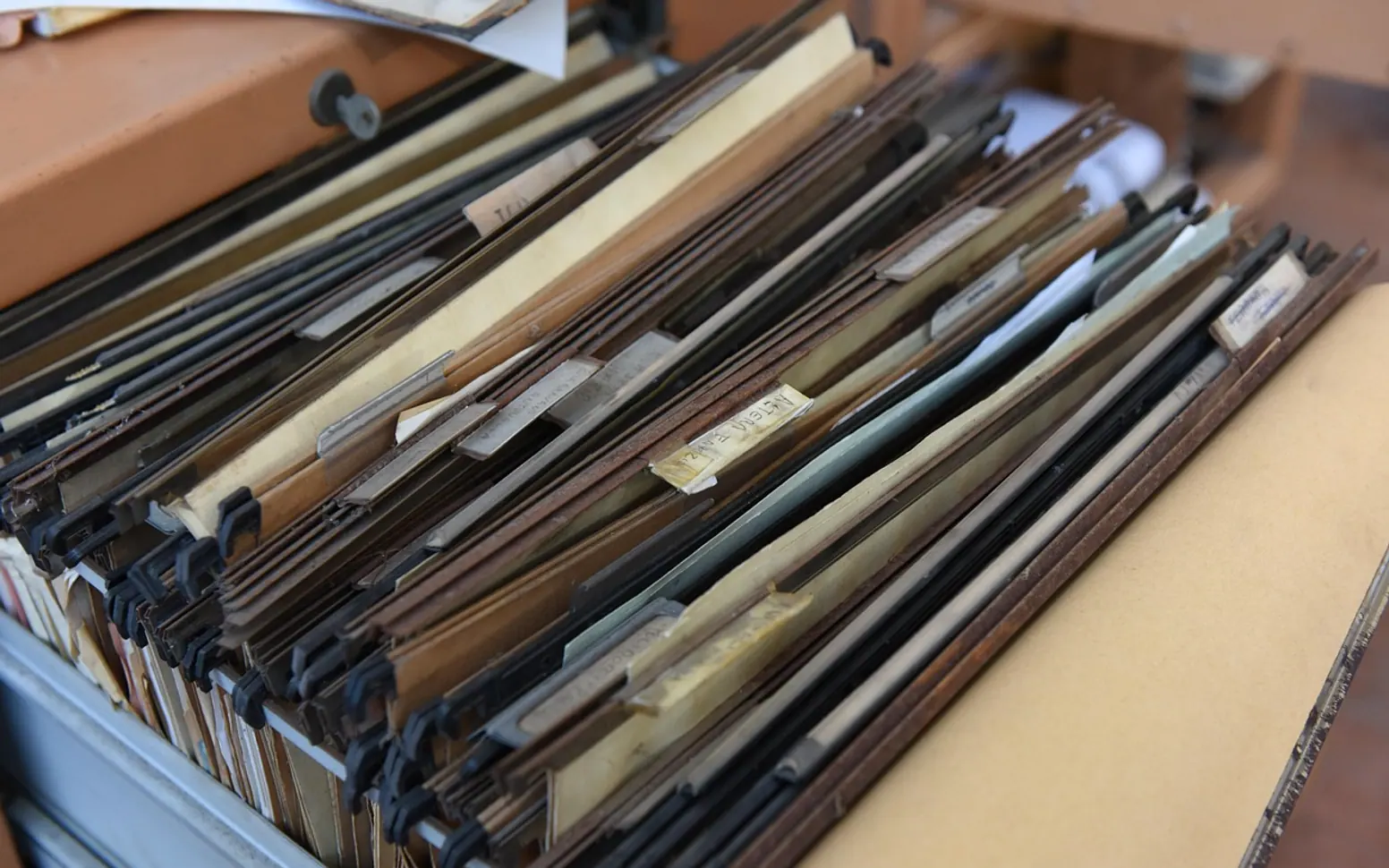
A first meeting with a mortgage broker goes very differently depending on what you bring. Arrive empty-handed and the conversation stays general. Arrive with a tidy folder and the broker can start comparing lenders, spotting issues and estimating what you might borrow before you leave the room. The list below covers the paperwork most Australian lenders ask for sooner or later.
1. Proof of who you are
Lenders must verify identity, so expect to show a driver's licence and a passport, or a birth certificate if you do not have a passport. Medicare cards and similar documents are sometimes accepted as secondary identification. If your name has changed through marriage or deed poll, bring the certificate that links old and new names.
2. Evidence of income
| Employment type | Usually requested |
|---|---|
| Full-time or part-time employee | Recent payslips and the latest income statement from your employer |
| Casual or contract worker | A longer run of payslips and an employment contract |
| Self-employed | Tax returns and notices of assessment, business activity statements, accountant-prepared financials |
| Other income | Rental statements, Centrelink letters or proof of regular investment income |
Self-employed borrowers often find that this section takes the longest, so it is worth asking an accountant early for anything missing.
3. A clear list of what you owe
Gather recent statements for every debt: credit cards, personal loans, car finance, buy-now-pay-later accounts, student debt and any existing home loan. Lenders look at limits as well as balances, so a credit card you rarely use still counts. Being upfront here avoids awkward surprises when the lender runs its own checks.
Questions often come up at this stage about which debts to clear first or how limits affect borrowing. A mortgage broker in melbourne can talk through how different lenders treat these commitments and which documents will make your application read most clearly.
4. Savings, bank history and property papers
Bring several months of transaction statements for everyday and savings accounts. These show how you manage money and where your deposit comes from. If part of the deposit is a gift from family, many lenders want a signed gift letter and evidence that the funds have been transferred. First home buyers should also keep records relating to any government grants or schemes they are applying for.
If you have already found a home, add the property paperwork too:
- A signed contract of sale, or the listing details of the property you are considering.
- Council rates notices and loan statements for property you already own.
- Building and pest inspection reports, once available.
- Details of your solicitor or conveyancer.
Before you sign anything
Good preparation saves time, but it does not remove the risks of borrowing. Rates may climb, house prices may soften, and life events such as a job change can make repayments harder than expected. Read every loan document carefully, ask how repayments would change if rates moved, and borrow an amount you could still manage in a tougher year. This article is general information only; for advice on your own situation, speak with a licensed credit adviser, an independent financial adviser or a solicitor before committing.
Desk habits
Small routines that save time later
Picked up while writing the notes on this site.
Photograph the meter
A dated photo settles most arguments about estimated readings.
Name files by date
Year, month, day at the start of a filename keeps invoices and letters in order.
Sketch before you measure
A rough floor plan stops you missing an alcove or counting a strip twice.
Update the router
Check for firmware updates whenever you change your Wi-Fi password.
Put terms in writing
A short email confirming price and due date beats any verbal promise.