Safe and Clean Demolitions: The Role of Containers in Responsible Waste Handling
Knocking down a garage, stripping out an old kitchen or clearing a whole building produces far more material than most owners imagine. Concrete, brick, tiles, timber, plasterboard, cables and pipes all come…
2 min
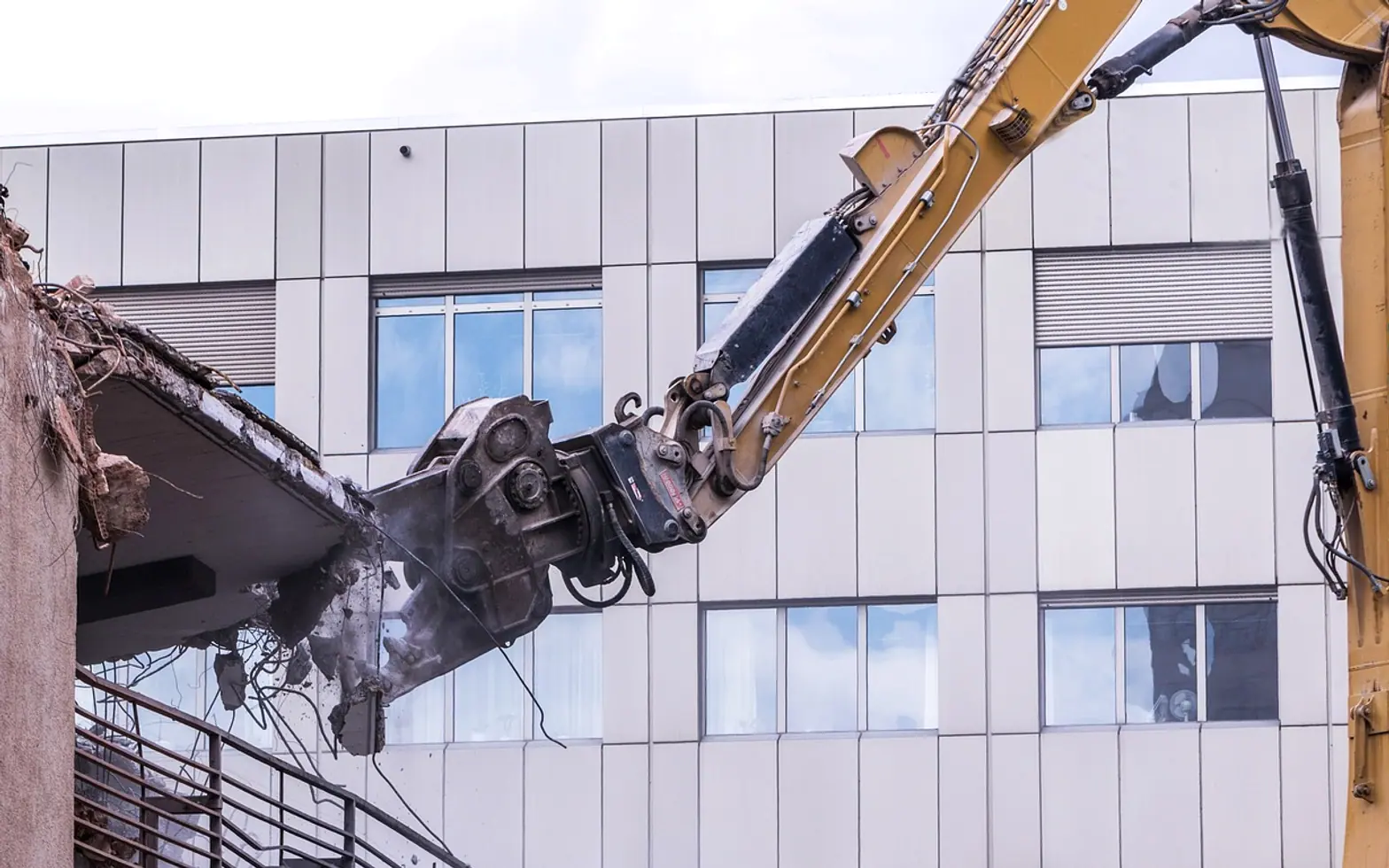
Knocking down a garage, stripping out an old kitchen or clearing a whole building produces far more material than most owners imagine. Concrete, brick, tiles, timber, plasterboard, cables and pipes all come out in a short space of time. Where that material goes, and how it is stored while work continues, shapes both the safety of the site and its environmental footprint.
Why loose piles are a problem
Rubble left on the ground spreads. It becomes a trip hazard, blocks escape routes, and can be washed into drains by rain. Dust from crushed plaster and masonry drifts into neighbouring gardens. Sharp metal offcuts and nails end up under tyres and boots. A container solves much of this by giving every load a defined place, away from walkways and covered if necessary.
Containers also make the job easier to manage. Once one is full, it is collected and swapped, so the site never turns into a hill of mixed debris that someone has to sort by hand at the end.
Sorting at the source
The real environmental gain comes from separation. Mixed demolition waste is harder and more expensive to process, while clean streams can often be recycled or reused. A typical split looks like this:
| Stream | Examples | Common next step |
|---|---|---|
| Mineral rubble | Concrete, brick, roof tiles | Crushed into aggregate for sub-bases |
| Wood | Beams, floorboards, untreated pallets | Material recycling or energy recovery |
| Metal | Steel, copper pipes, radiators | Scrap recycling |
| Plasterboard | Partition walls, ceiling panels | Separate processing due to gypsum |
| Hazardous items | Asbestos, treated timber, old insulation | Specialist handling only |
Hazardous materials deserve particular care. If there is any suspicion of asbestos or contaminated material, work should stop until a qualified specialist has assessed it; these items must never go into an ordinary skip.
Planning the container side of a project
- Estimate volumes per stream. A contractor or waste firm can help judge which sizes make sense.
- Choose the spot. The ground must carry the weight, and the lorry needs room to set down and lift.
- Check permissions. A container on a public road or pavement usually needs approval from the local authority.
- Agree a collection rhythm. Regular swaps keep work moving without overfilled loads.
- Keep paperwork. Disposal records show the material went to an approved facility.
In the Offenbach district and nearby towns, a regional service such as Containerdienst Hainburg can supply suitable containers for rubble, wood, mixed construction waste and garden material, along with delivery and pick-up timed around the project.
Safety habits on the day
Fill containers evenly and never above the rim, so nothing falls during transport. Keep the area around them clear, wear gloves and eye protection when loading, and do not throw material from height without a chute. Small habits like these protect workers and neighbours alike, and they help a demolition finish as cleanly as it started.
Desk habits
Small routines that save time later
Picked up while writing the notes on this site.
Photograph the meter
A dated photo settles most arguments about estimated readings.
Name files by date
Year, month, day at the start of a filename keeps invoices and letters in order.
Sketch before you measure
A rough floor plan stops you missing an alcove or counting a strip twice.
Update the router
Check for firmware updates whenever you change your Wi-Fi password.
Put terms in writing
A short email confirming price and due date beats any verbal promise.