A home energy audit is a structured inspection of how a house uses energy and where it wastes it. The auditor looks at the building shell, the heating and cooling equipment, hot water, lighting and appliances, then ranks the fixes that would make the biggest difference. Some audits are carried out by trained assessors with test equipment; others are a careful walk-round that a householder can do alone. Both aim at the same thing: a short, prioritised list instead of guesswork.
What an audit looks at
Most audits, professional or not, work through the same areas:
- Air leaks: gaps around doors, windows, loft hatches, pipes, cable entries and skirting boards.
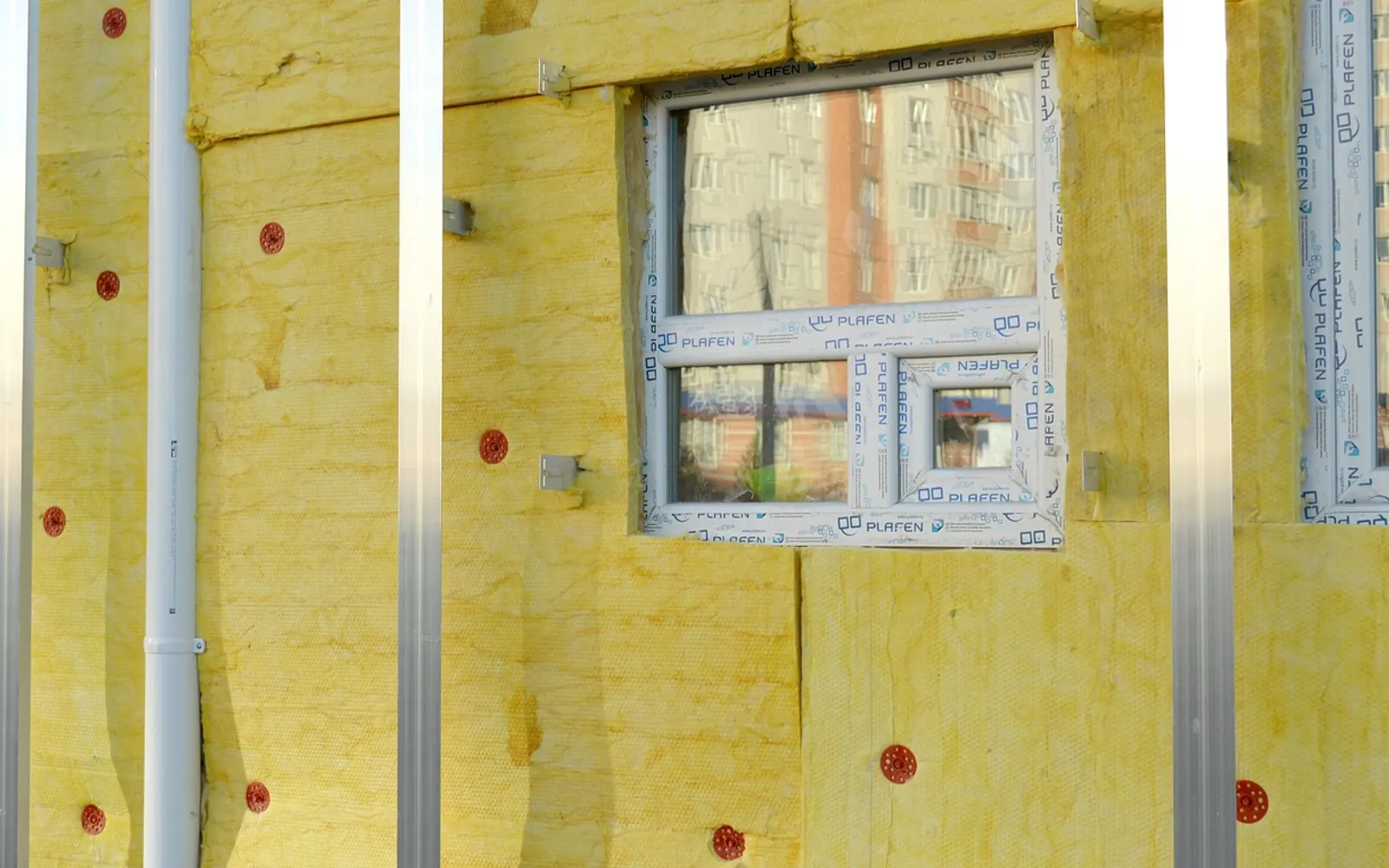
- Insulation: what is in the loft or attic, the walls and the floors, and how deep or complete it is.
- Heating and cooling: the age and condition of the boiler, furnace or heat pump, its controls and any visible duct or pipe losses.
- Hot water: cylinder insulation, pipe lagging and the temperature setting.
- Lighting and appliances: bulb types, older fridges and freezers, and devices left on standby.
- Ventilation and moisture: extractor fans, trickle vents and any signs of condensation or damp.
Tests a professional assessor may use
Blower door test
A powerful fan is fitted into an exterior door frame and used to lower the air pressure inside the house. Outside air then rushes in through every crack, which lets the assessor measure overall airtightness and track down individual leaks.
Thermal imaging
An infrared camera shows surface temperatures as colours. Cold patches on an inside wall in winter can reveal missing insulation, thermal bridges or draughts that are invisible to the eye.
Combustion safety checks
Where fuel-burning appliances are present, the assessor may check that flues draw properly and that carbon monoxide is not building up. Tightening a house without this check can make a weak flue worse, which is one reason a professional audit has value.
Duct leakage
In homes with ducted air systems, pressure tests can show how much heated or cooled air escapes into lofts, crawl spaces or wall cavities before it reaches the rooms.
A DIY home energy audit, step by step
A self-check will not measure airtightness, but it catches many of the obvious problems. Pick a cold, windy day if possible and work through the house in order:
- Collect a year of bills. Note usage month by month. The guide on reading an electricity bill explains which figures to copy, and a winter spike tells you how much goes on heating.
- Hunt for draughts. Hold a strip of tissue or the back of a slightly damp hand near door edges, window frames, letterboxes, loft hatches and pipe holes. Movement or a chill marks a leak.
- Check the loft or attic. Look at the depth and evenness of insulation, gaps around the hatch and any uninsulated pipes or tanks. Take care on joists and do not compress or disturb insulation unnecessarily.
- Inspect the heating system. Note the age of the boiler or furnace, whether radiators heat evenly and how the thermostat and timer are set.
- Look at hot water. Feel whether the cylinder and pipes lose warmth to the room, and check the temperature setting in the manual.
- Walk the lighting and appliances. List any remaining old-style bulbs and switch off at the wall to see what was drawing power on standby.
- Write it all down. A simple three-column list of problem, location and likely fix becomes your plan.
Turning findings into action
A professional report usually groups recommendations by cost and impact. A DIY list can be sorted the same way:
| Priority | Typical examples |
|---|---|
| Quick, low-cost | Draught strips, door sweeps, letterbox brushes, LED bulbs, lagging on exposed pipes, smarter thermostat schedules |
| Medium effort | Topping up loft insulation, sealing gaps around pipes and cables, servicing the heating system, balancing radiators |
| Larger projects | Wall or floor insulation, new windows, replacing an old boiler or furnace, moving to a heat pump |
Start with the cheap, reliable fixes. Sealing a leaky front door is a small job, and the guide to weatherstripping a door covers the materials. Bigger decisions, such as choosing between a heat pump and a furnace, make more sense once the leaks are dealt with, because a tighter house may need a smaller system.
Common questions
Is a professional audit worth it compared with doing it yourself?
A self-check is a good first pass for spotting obvious draughts and old equipment. A professional audit adds measurements, combustion safety checks and a report that some grant or rebate schemes ask for. If major work or a change of heating system is on the table, the measured version gives firmer ground for decisions.
How is an audit different from an energy rating certificate?
An audit is a diagnostic visit aimed at improving the home you live in. A rating certificate, such as the UK Energy Performance Certificate, scores the building on standard assumptions so that buyers and tenants can compare properties. The two overlap, and a certificate's recommendations can be a useful starting point for an audit.
What should I do before an assessor arrives?
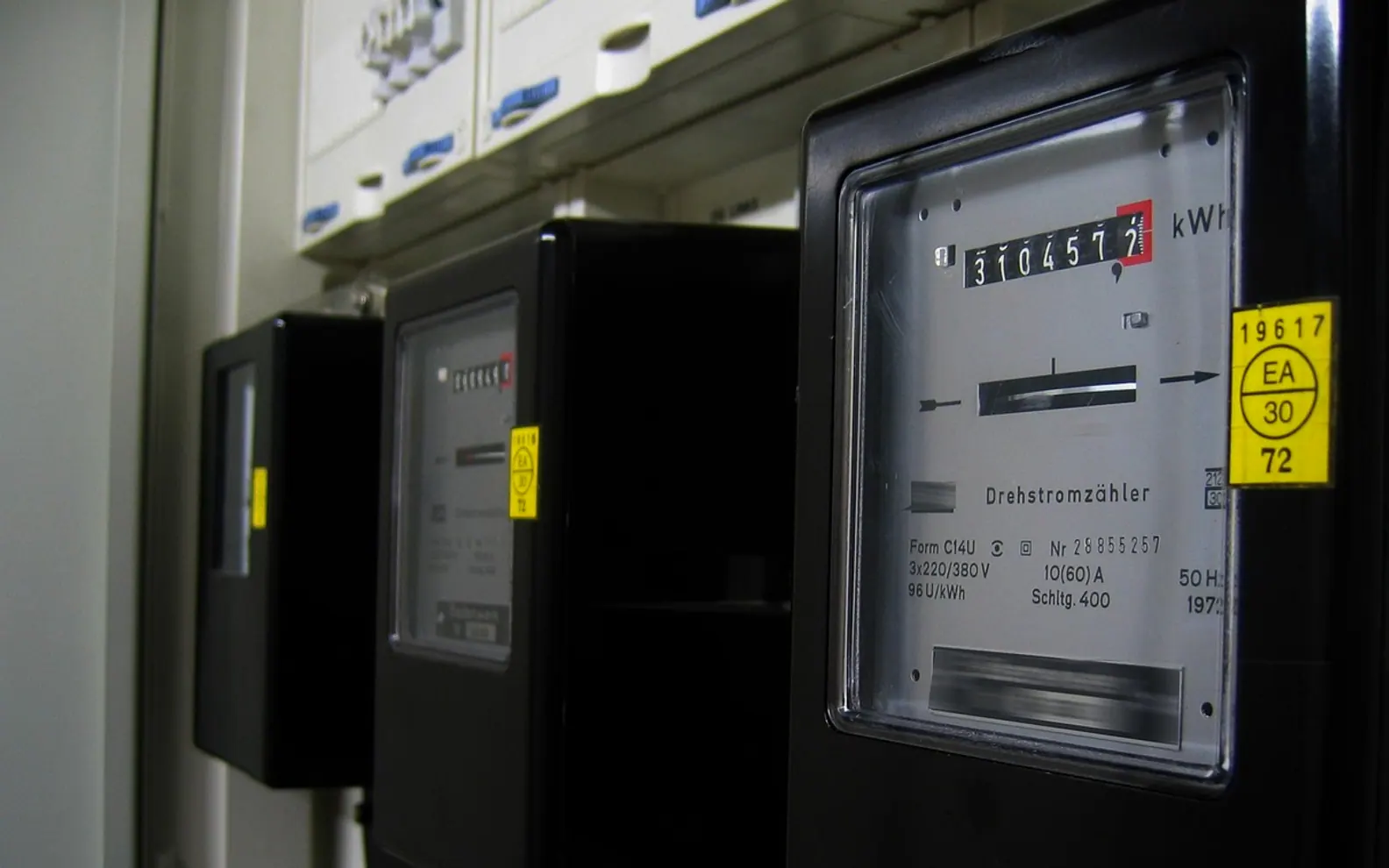
Clear access to the loft hatch, boiler or furnace, hot water cylinder and meters. Have recent bills to hand, close exterior windows and note any rooms that always feel cold or damp so they can be checked first.
Desk habits
Small routines that save time later
Picked up while writing the notes on this site.
Photograph the meter
A dated photo settles most arguments about estimated readings.
Name files by date
Year, month, day at the start of a filename keeps invoices and letters in order.
Sketch before you measure
A rough floor plan stops you missing an alcove or counting a strip twice.
Update the router
Check for firmware updates whenever you change your Wi-Fi password.
Put terms in writing
A short email confirming price and due date beats any verbal promise.