Green Glow: Sustainable Lighting for Your Outdoor Spaces
An evening on the terrace, a safe step down to the garden path, a front door that is easy to find in the dark: outdoor lighting adds a lot to a home.…
2 min
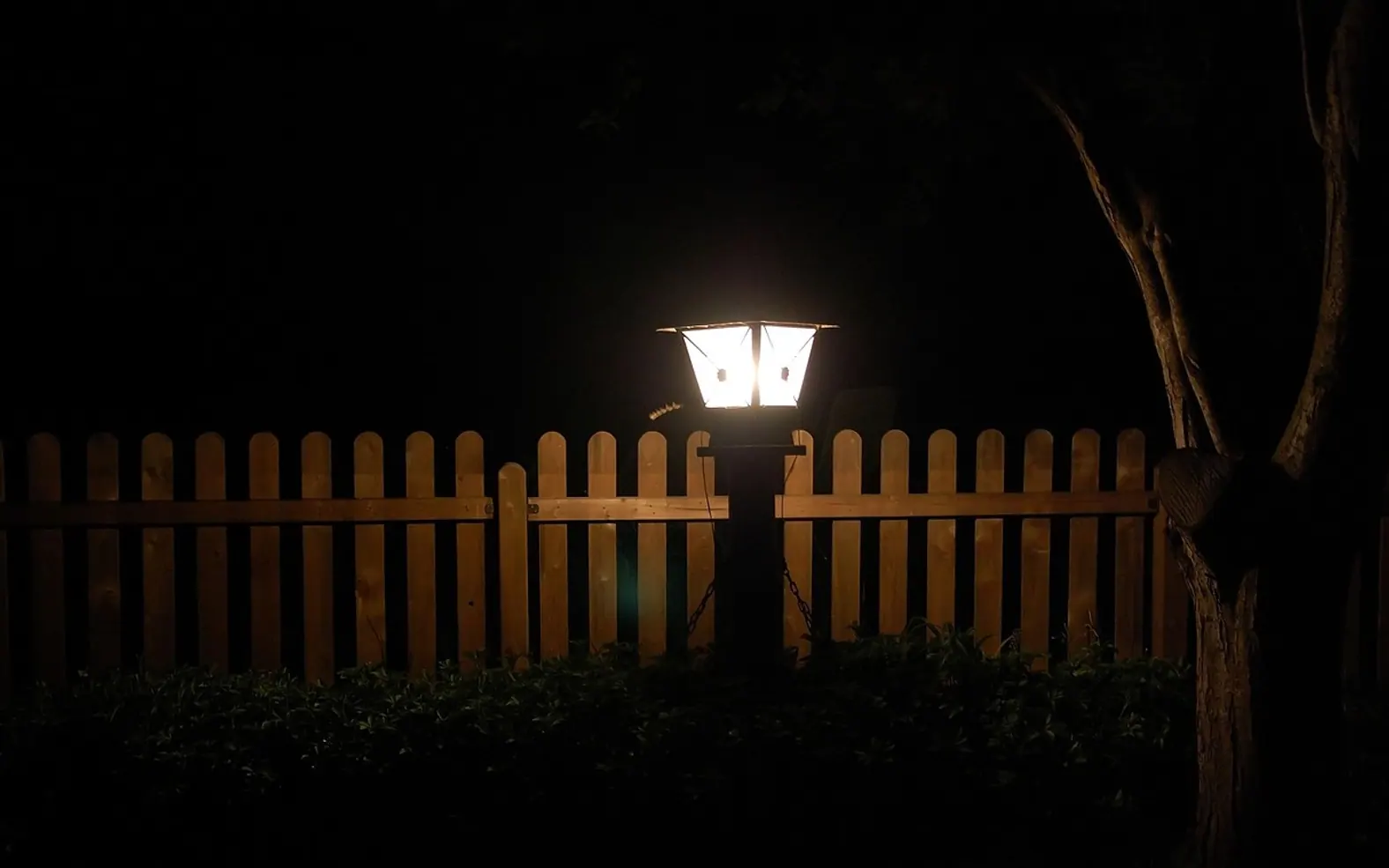
An evening on the terrace, a safe step down to the garden path, a front door that is easy to find in the dark: outdoor lighting adds a lot to a home. It can also waste a surprising amount of energy and spill glare into neighbours' windows and the night sky. With a little planning, a garden can glow warmly while using far less power.
Start with a lighting plan, not a shopping cart
Walk around the property after sunset and note what actually needs light. Usually it is steps, paths, doors and a seating area, plus perhaps one or two features such as a tree or a wall. Lighting only these spots, at the brightness each requires, prevents the common mistake of flooding the whole garden.
Homeowners who want a polished result often look at professional landscape lighting ranges, which offer durable, efficient fixtures designed to highlight plants, paths and architecture with a carefully placed, even glow.
Efficient options compared
| Option | Strengths | Keep in mind |
|---|---|---|
| LED fixtures | Low consumption, long life, many beam shapes | Quality varies; choose sealed, weather-rated units |
| Solar lights | No wiring, no running cost | Output depends on sun; batteries need replacing eventually |
| Motion sensors | Light only when someone is there | Position carefully to avoid triggers from passing cars |
| Low-voltage systems | Safer to install, flexible layouts | Needs a transformer sized for the load |
Warmth, direction and darkness
Colour temperature affects mood and wildlife. Warm white light feels inviting and is gentler on insects and nocturnal animals than cool, bluish light. Fixtures that point downward, with shields that keep light where it is needed, reduce glare and light pollution. Lower brightness is often more attractive: a softly lit path looks more inviting than a floodlit one, and eyes adjust quickly in the dark.
- Choose warm colour temperatures for seating areas and planting.
- Aim lights downward and away from windows and the sky.
- Use several gentle lights rather than one powerful lamp.
- Leave some corners dark for wildlife.
Timers, smart controls and upkeep
Dusk-to-dawn sensors, timers and smart plugs ensure that lights switch off when nobody needs them. Many systems can dim automatically late at night or be controlled from a phone. Maintenance is simple but worth scheduling: wipe solar panels and lenses, check seals after storms and replace failing parts with efficient equivalents. Mains wiring outdoors should be handled by a qualified electrician.
Small changes, lasting results
Replacing a few old halogen floodlights with targeted LEDs, adding sensors to the driveway and switching patio lights to a timer can transform both the look and the energy use of a garden. The result is an outdoor space that feels welcoming after dark while staying kind to wallets, neighbours and the creatures that share it.
Desk habits
Small routines that save time later
Picked up while writing the notes on this site.
Photograph the meter
A dated photo settles most arguments about estimated readings.
Name files by date
Year, month, day at the start of a filename keeps invoices and letters in order.
Sketch before you measure
A rough floor plan stops you missing an alcove or counting a strip twice.
Update the router
Check for firmware updates whenever you change your Wi-Fi password.
Put terms in writing
A short email confirming price and due date beats any verbal promise.