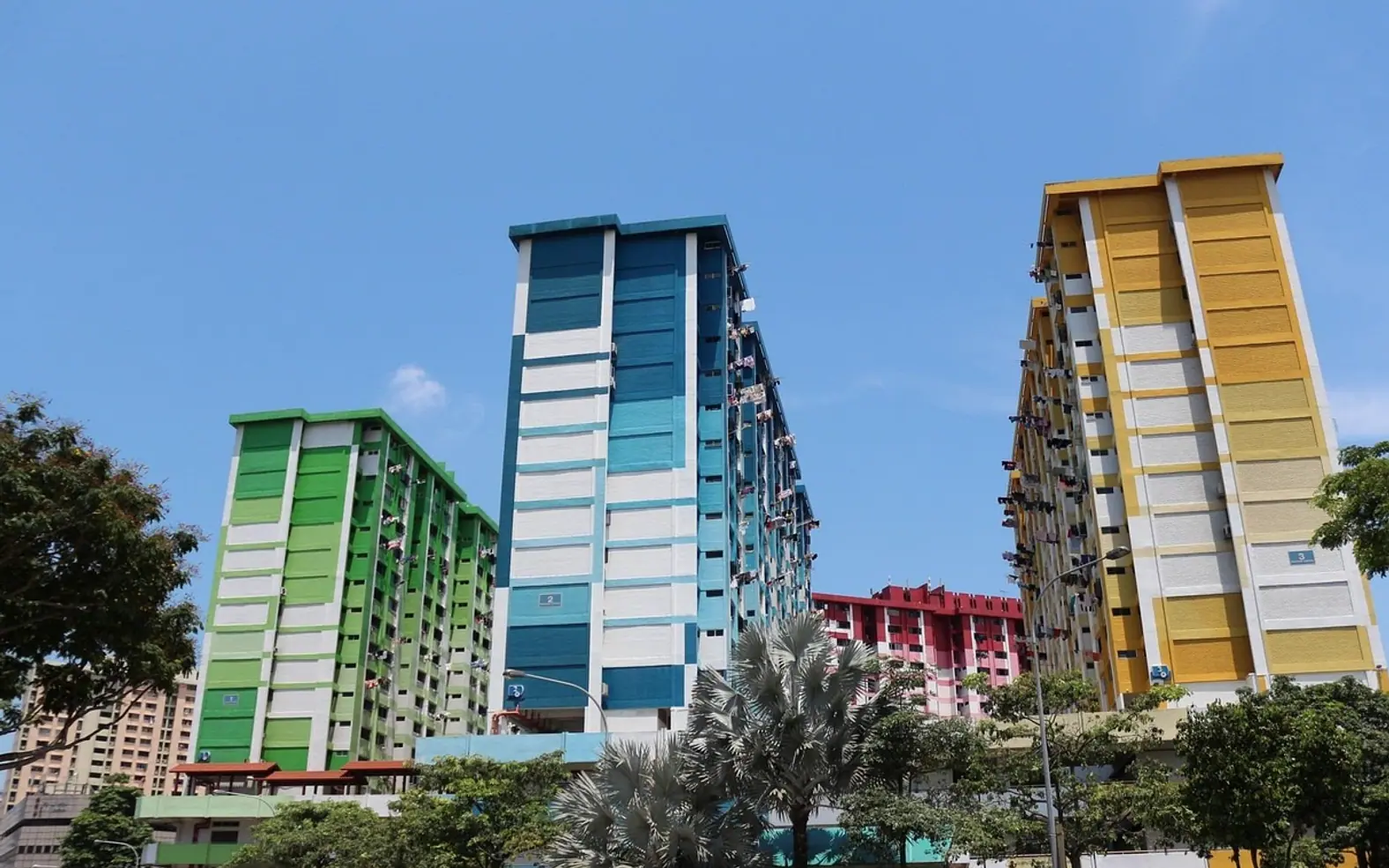
Singapore has long attracted people and capital from abroad. Its legal system, political stability, strong infrastructure and role as a regional hub make it a natural base for companies and families alike. It is no surprise that the residential property market draws interest from overseas buyers, and that their presence influences how parts of the market behave.
What brings overseas buyers in
- Stability. A predictable legal framework and transparent property registration give buyers confidence.
- Connectivity. Excellent air links and a compact city make it easy to live, work or visit regularly.
- Quality of life. Safety, schools, healthcare and green spaces appeal to families relocating for work.
- A regional base. Many executives and entrepreneurs manage business across Asia from the city.
Where foreign demand shows up
Foreign buyers in Singapore face restrictions on certain property types, particularly landed homes, so their interest tends to concentrate on private condominiums. New developments in well-connected and central districts often receive attention from international purchasers alongside local buyers. This demand can support launch sales and encourage developers to invest in design, facilities and amenities.
The effects ripple outward. Expatriate professionals who rent rather than buy add demand in the leasing market, while the wider economy benefits from construction activity, property services and related spending. At the same time, policymakers watch closely to keep housing within reach for residents.
The policy backdrop
The government uses a set of cooling measures to manage the market. These include additional buyer's stamp duty that applies at different rates depending on the buyer's residency status and the number of properties owned, as well as loan limits and rules on who may buy which types of home. These measures change from time to time, so anyone considering a purchase should check the current position with official sources rather than relying on older articles.
For buyers who want an overview of upcoming projects, newlaunchportal.com.sg gathers information on new condominium launches, including locations, unit types and developer details, which makes comparing options much more straightforward.
Risks to weigh honestly
Property is a large, illiquid commitment. Values may drop as easily as they climb, borrowing costs and exchange-rate swings change the sums for non-resident purchasers, and stamp duties and transaction fees reduce flexibility to sell quickly. Rental income is never guaranteed, and holding costs such as maintenance fees and property tax continue regardless of occupancy. Nothing here is a recommendation to buy; it is a general description of the market.
Before committing, it is wise to get independent advice from a qualified property lawyer and a financial adviser who understands both Singapore rules and the tax position in your home country.
A market shaped by many hands
Foreign investors are one influence among several. Local demand, government policy, interest rates and the supply of new homes all play their part. Understanding how these forces interact helps any buyer, local or international, approach Singapore property with clear expectations and a plan that fits their own circumstances.
Desk habits
Small routines that save time later
Picked up while writing the notes on this site.
Photograph the meter
A dated photo settles most arguments about estimated readings.
Name files by date
Year, month, day at the start of a filename keeps invoices and letters in order.
Sketch before you measure
A rough floor plan stops you missing an alcove or counting a strip twice.
Update the router
Check for firmware updates whenever you change your Wi-Fi password.
Put terms in writing
A short email confirming price and due date beats any verbal promise.