Heat Pump vs Furnace: How Each One Heats a Home
A furnace creates heat by burning fuel or warming an element. A heat pump moves heat that already exists outdoors into the house. That one difference shapes running costs, cold-weather behaviour and summer cooling.
5 min
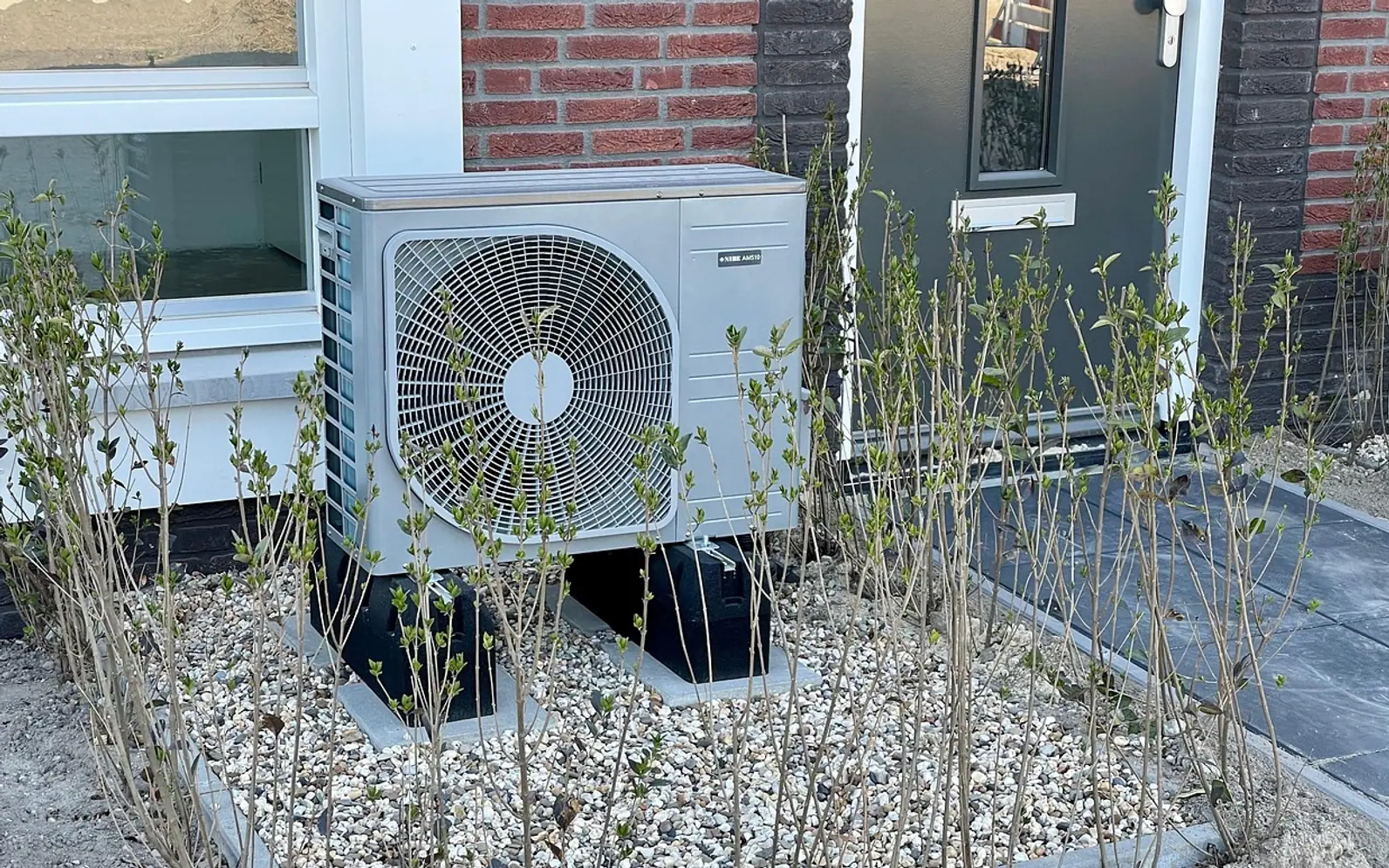
A furnace makes heat by burning gas, oil or propane, or by running an electric element, and then blows the warm air through ducts. A heat pump makes almost no heat of its own: it uses electricity to move heat that already exists outdoors into the house, and in summer it runs in reverse as an air conditioner. Nearly every trade-off between the two, from running costs to behaviour in a hard frost, follows from that one difference.
How a furnace works
A fuel-burning furnace has three main parts: a burner, a heat exchanger and a blower fan. When the thermostat calls for heat, the burner fires inside a sealed chamber. House air is pulled across the outside of the hot heat exchanger, picks up warmth and is pushed back to the rooms through supply ducts, while combustion gases leave through a flue. An electric furnace replaces the burner with resistance coils that glow hot much like the element in a toaster.
Because a furnace creates heat directly, its output barely depends on the weather. Its efficiency is expressed as a percentage of the fuel's energy that ends up inside the house rather than going up the flue (in North America this is the AFUE figure). By definition that number can never pass 100 percent.
How do heat pumps work?
A heat pump is built from the same family of parts as a fridge: a loop of refrigerant, a compressor, two coils and an expansion valve. In heating mode the cycle runs in four stages:
- Collect. Cold, low-pressure refrigerant passes through the outdoor coil. Even on a chilly day the outside air is warmer than that refrigerant, so it absorbs heat and evaporates into a gas.
- Compress. The compressor squeezes the gas, raising its pressure and pushing its temperature well above room temperature.
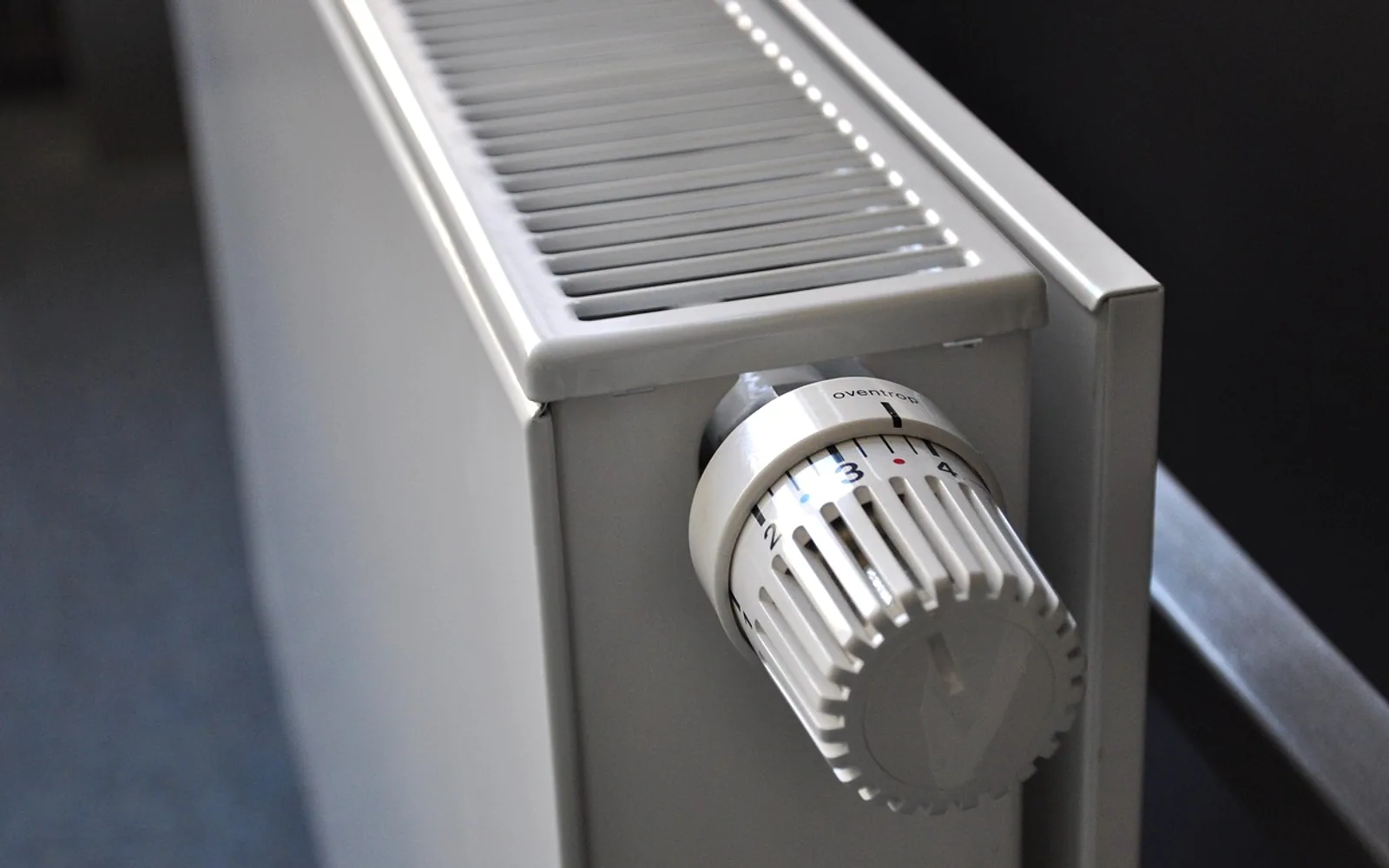
- Release. The hot gas flows through the indoor coil, or through a water heat exchanger that feeds radiators or underfloor pipes. It hands its heat to the house and condenses back into a liquid.
- Reset. The liquid passes through the expansion valve, its pressure drops, it cools sharply and the loop begins again.
A reversing valve flips the direction of flow for summer, so the same machine lifts heat out of the rooms and releases it outdoors. Air-source units take heat from outside air; ground-source units draw it from pipes buried in the garden or a borehole.
Why a heat pump can pass 100 percent
The electricity in a heat pump drives a compressor rather than heating anything directly, so the unit can deliver more heat energy than the electrical energy it consumes. The ratio is called the coefficient of performance, or COP. A COP of 3, for instance, means three units of heat for each unit of electricity. The figure falls as the outdoor temperature drops, because the compressor has to work harder.
Side-by-side comparison
| Question | Heat pump | Furnace |
|---|---|---|
| Where the heat comes from | Moved in from outside, powered by electricity | Burned from gas, oil or propane, or made by electric coils |
| Summer cooling | Yes, from the same unit | No; a separate air conditioner is needed |
| Deep cold | Output and efficiency fall; backup heat may switch in | Steady whatever the outdoor temperature |
| Feel at the vents | Gentler warm air over longer cycles | Hotter bursts over shorter cycles |
| Combustion on site | None | Yes for fuel models, so a flue and carbon monoxide alarm are essential |
| Main running-cost driver | Electricity price | Fuel price, or electricity for electric furnaces |
Defrost mode and emergency heat
Two features puzzle many first-time heat pump owners. In cold, damp weather, frost forms on the outdoor coil. The system then drops into defrost mode for a few minutes, briefly reversing the cycle to warm the coil. A whoosh, a cloud of steam above the outdoor unit and a pausing indoor fan are all expected.
Emergency heat, sometimes shown as "EM heat" or "aux", is a backup source, usually electric resistance strips or a connected furnace. The controls bring it in automatically when the heat pump alone cannot keep up. Selecting it by hand is meant for times when the outdoor unit has failed; leaving it switched on by mistake can push electricity use up sharply. If a bill suddenly jumps, the walk-through on how to read an electricity bill shows where the extra kilowatt-hours will appear.
Which suits which home?
- Mild or moderate winters: a heat pump can usually carry the whole heating load and covers summer cooling as a bonus.
- Very cold regions: cold-climate heat pumps are built for low temperatures, and many households pair one with a furnace in a dual-fuel arrangement that hands over to the burner on the harshest days.
- No mains gas: the realistic choice is often a heat pump against an electric, oil or propane system. Backup power for homes far from the grid is a separate question, covered in the notes on LPG generators for residential use.
- Older, leaky houses: heat pumps work best at lower temperatures over longer periods, so insulation and draught-proofing carry more weight. A home energy audit shows where heat escapes before anyone sizes new equipment.
Questions that come up often
How long does a heat pump last?
Service life depends on climate, workload, installation quality and maintenance. A heat pump runs for heating and cooling, so it collects more hours than a furnace that sits idle all summer. The manufacturer's documentation and the installer can give an expected lifespan for a specific model. Regular servicing, with clean filters, a clear outdoor coil and checked refrigerant levels, helps it get there.
Is a heat pump cheaper to run than a furnace?
That rests on local electricity and fuel prices, the efficiency of each unit and the weather. A heat pump with a healthy COP often uses less energy overall, yet where electricity costs a lot more than gas the running-cost gap can narrow or even reverse. Quotes that include estimated yearly running costs for your own address are more useful than any general rule. Where the power comes from matters to many owners too; see this piece on renewable generation commitments.
Can a heat pump use the existing ducts?
Frequently, yes. The ducts do need to carry enough air, and a heat pump usually moves more air than a furnace for the same output because that air is cooler. Homes without ducts can use ductless mini-split units, and homes with radiators can look at an air-to-water heat pump, although radiators may need upsizing to work at lower water temperatures.
Desk habits
Small routines that save time later
Picked up while writing the notes on this site.
Photograph the meter
A dated photo settles most arguments about estimated readings.
Name files by date
Year, month, day at the start of a filename keeps invoices and letters in order.
Sketch before you measure
A rough floor plan stops you missing an alcove or counting a strip twice.
Update the router
Check for firmware updates whenever you change your Wi-Fi password.
Put terms in writing
A short email confirming price and due date beats any verbal promise.