How to Read an Electricity Bill
Every bill answers the same questions - how much power you used, what each unit cost, what you pay regardless of use and what you owe now. Here is where to find each answer.
4 min
Electricity bills pack a lot onto one or two pages, and the layout varies between suppliers and countries. Underneath the design, though, nearly every bill answers the same five questions: who you are, when the bill covers, how much you used, what that use cost, and what you owe now. Once you know where those answers sit, a confusing bill becomes a short checklist.
1. Account and supply details
Near the top you will normally find your name, the supply address, an account number and the bill date. Many bills also show a meter number or a supply point identifier. In the UK this is often called an MPAN; elsewhere it may have a different name. Keep these numbers handy. You will need them if you contact the supplier, switch tariff or move home.
Check that the supply address is the property you actually live in. Mix-ups with neighbouring flats do happen.
2. The billing period
Look for the start and end dates the bill covers. Periods are not always the same length, so a bill that seems higher may simply cover more days. When comparing two bills, compare usage per day rather than the totals.
3. Meter readings: actual or estimated
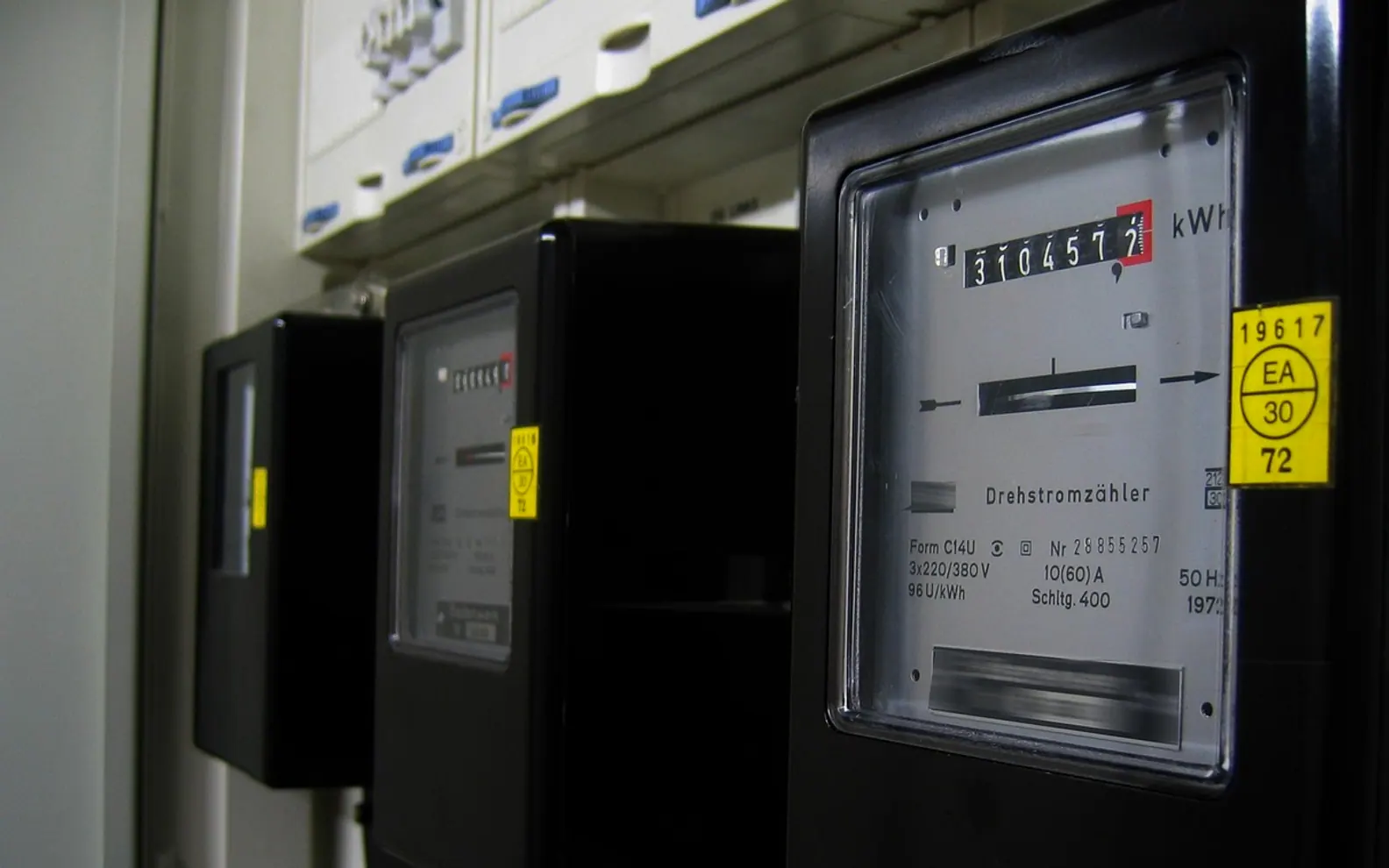
The bill lists a previous reading and a current reading. The difference is the electricity you used. Next to each reading there is usually a letter or word showing its type:
- Actual: read by the supplier or sent automatically by a smart meter.
- Customer: a reading you submitted.
- Estimated: a figure the supplier calculated from past use.
Estimated readings are the most common cause of surprises. If several bills in a row are estimated, read the meter yourself, compare the number with the bill and send a reading to the supplier.
4. Usage in kilowatt-hours
Electricity is measured in kilowatt-hours, written kWh. One kWh is the energy used by a device rated at 1,000 watts running for one hour. Your bill multiplies the kWh you used by the price per kWh. Many bills include a small chart comparing this period with earlier ones, which is a quick way to spot an appliance or habit change.
Time-of-use tariffs
Some tariffs charge different rates at different times of day. If yours does, the bill splits your kWh into peak and off-peak, or day and night, each with its own price. Moving flexible tasks such as laundry into the cheaper window can make a difference on these plans.
5. Charges and how they add up
| Line on the bill | What it usually means |
|---|---|
| Unit rate or energy charge | The price per kWh, multiplied by your usage. |
| Standing, fixed or basic service charge | A daily or monthly amount paid regardless of usage. |
| Delivery or distribution charges | The cost of moving power through the grid, shown separately in some regions. |
| Taxes and levies | Sales tax, VAT or local levies, depending on where you live. |
| Credits and adjustments | Refunds, discounts, corrections or payments for power you exported. |
Names differ. A US bill might separate supply and delivery; a UK bill typically shows a unit rate and a standing charge. The supplier's own guide to reading its bills is the best reference for the exact terms it uses.
6. Your balance and payment
The summary box shows the amount due, the due date and whether your account is in credit or debit. If you pay a fixed monthly amount by direct debit or automatic payment, watch the running balance. A large credit may mean your payments are set too high; a growing debit may mean they are too low and a catch-up is coming.
Monthly checks that take five minutes
- Confirm the supply address and meter number.
- Check whether the readings are actual or estimated.
- Compare daily usage with the same period last year, if shown.
- Confirm the tariff name and rates match what you signed up for.
- Look for one-off adjustments and make sure you understand them.
When something looks wrong
Take a dated photo of your meter, then contact the supplier with the account number and the specific line you are querying. Keep notes of each conversation. If the issue is not resolved, most countries have an energy regulator or ombudsman with a complaints process; check your local rules for how and when you can use it.
Thinking beyond the bill
Once you can read your bill, it becomes easier to judge tariffs, home batteries or back-up power. Our look at LPG generators for residential use covers one option for households that want a fallback supply, and our piece on a supplier's renewable commitments shows what to look for in a green tariff.
Desk habits
Small routines that save time later
Picked up while writing the notes on this site.
Photograph the meter
A dated photo settles most arguments about estimated readings.
Name files by date
Year, month, day at the start of a filename keeps invoices and letters in order.
Sketch before you measure
A rough floor plan stops you missing an alcove or counting a strip twice.
Update the router
Check for firmware updates whenever you change your Wi-Fi password.
Put terms in writing
A short email confirming price and due date beats any verbal promise.